
February 23, 2026
Understanding structural issues within a home can feel overwhelming for many property owners, especially when the signs are subtle or unfamiliar. Thankfully, working with experienced professionals makes the process more manageable and reassuring. Through organized investigative strategies, specialized tools, and practical knowledge of how homes are built, professionals help determine what may be happening beneath the surface. While some issues are cosmetic, others hint at deeper structural concerns that require thoughtful intervention. Local foundation repair experts guide homeowners through these complexities with clarity, helping preserve both safety and long-term home value.
Inspecting visible signs around the home
One of the first steps professionals take in diagnosing structural concerns is examining the parts of the home that homeowners interact with daily. These visible areas often give early clues about what is happening with the foundation. For example, small cracks across exterior brickwork or concrete surfaces may indicate movement or settlement over time. Doors that no longer latch smoothly, windows that shift out of alignment, or trim pieces that separate from their surroundings are all noteworthy signals. While these symptoms do not always point to immediate danger, they can reveal meaningful patterns that help professionals determine whether a deeper evaluation is needed.
Visual inspections also extend into interior living spaces, where foundation movement may appear through sloping floors, drywall cracks, nail pops, or uneven surfaces. Professionals are trained to distinguish between cosmetic blemishes and signs of displacement, pressure, or moisture intrusion. This specialized perspective is valuable because homeowners often misread or overlook subtle developments until they worsen. Identifying issues early allows for more practical and cost-effective solutions down the line, a key reason why many homeowners seek out local foundation repair services as a preventative measure.
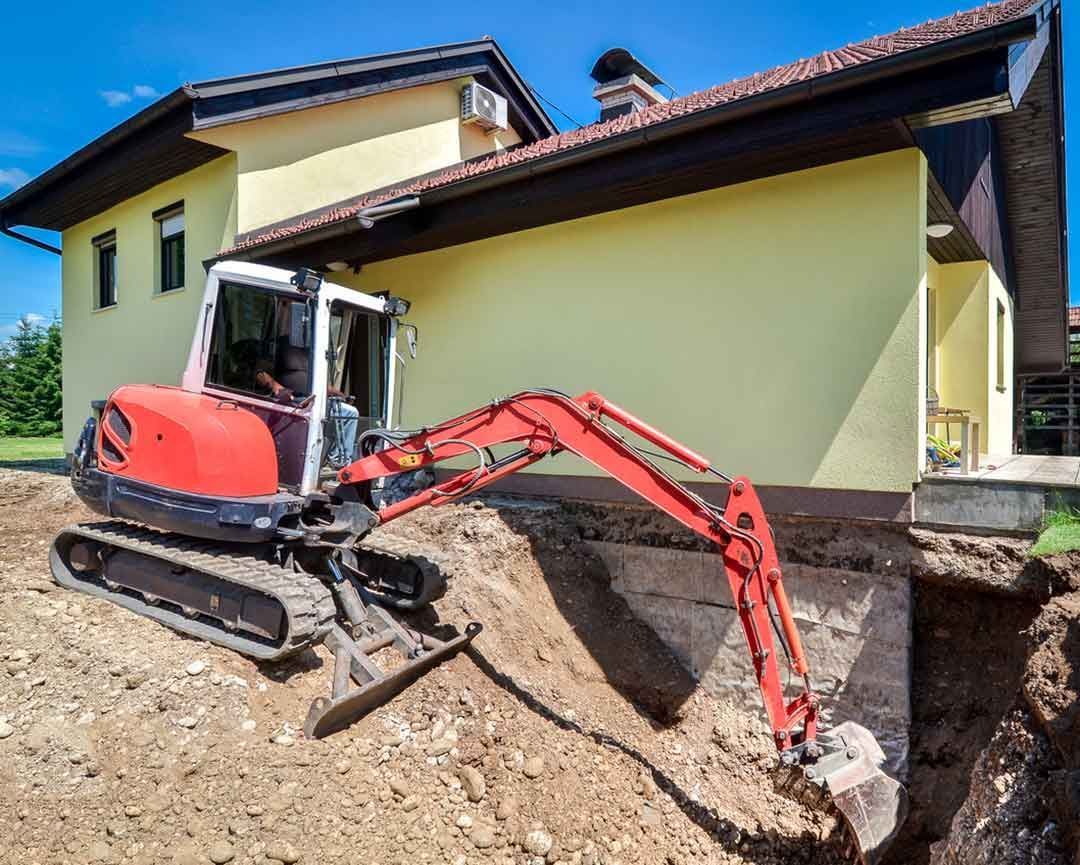
Exterior conditions also play an important role during this phase. Landscaping, tree placement, drainage patterns, and grading around the home influence how moisture interacts with the soil. Water flows that move toward the foundation rather than away from it may increase settlement risks. Even neighboring conditions like soil erosion or heavy root systems can contribute to future issues. Taking a holistic approach ensures that professionals not only identify current concerns but also recognize environmental contributors that may worsen over time.
Utilizing specialized diagnostic tools and technology
Beyond visual review, professionals depend on diagnostic technologies that offer measurements and insights unavailable to the naked eye. Levels and precision measuring devices identify gradients or settling patterns across floors and structural planes. Even small variations can provide significant insight, helping confirm whether displacement is isolated or affecting an entire structure. Moisture meters are another helpful tool, detecting water levels within building materials that might indicate leaks, seepage, or poor drainage, all of which influence soil conditions and structural performance.
Thermal imaging cameras provide additional layers of detail by detecting temperature variations behind walls, in basements, or around building envelopes. These thermal readings help reveal moisture pockets, insulation gaps, and air movement patterns that may be connected to structural shifts or water intrusions. Capturing this data early on supports targeted interventions rather than trial-and-error repairs. Foundation problems are rarely solved by guesswork, and technology-driven diagnostics make the process more precise, time-efficient, and cost-effective for homeowners relying on local foundation repair providers.
For inaccessible spaces such as crawl areas or wall cavities, professionals may use borescope cameras to gather footage without invasive demolition. This allows them to determine whether decay, rot, pests, or moisture have contributed to shifting support members or weakened materials. Taken together, these diagnostic tools enable more accurate conclusions and give homeowners confidence that repair recommendations are grounded in reliable evidence rather than assumptions.
Evaluating lower structural components and moisture influence
Diagnosing foundation concerns often requires investigating what lies beneath, literally. Basements and crawl spaces are usually the first areas where moisture events affect support beams, joists, posts, or subfloor systems. Standing water, efflorescence on walls, musty odors, and mold can all suggest that water is accumulating where it should not. Professionals pay close attention to ventilation quality, insulation performance, and soil interactions below the main living space. When moisture and soil pressures mix, the likelihood of settlement or lateral foundation movement increases.
Crawl spaces are especially sensitive to these issues, as they frequently lack the same environmental protections found in finished basements. High humidity in enclosed areas may contribute to wood deterioration or sagging beams, and over time, these changes may alter how floors slope or dip in interior rooms. Homeowners are often surprised by how much of the home's structural stability relies on what happens in these lower spaces. The best local foundation repair providers understand these interactions well and consider moisture management a key element in diagnosing root causes rather than simply addressing surface symptoms.
Evaluating these areas also helps professionals forecast the longevity of proposed repair solutions. If moisture is not addressed during a structural fix, the problem may reappear, making long-term outcomes less reliable. Incorporating drainage improvements, waterproofing strategies, or dehumidification may be recommended to preserve the lifespan of repairs and reduce future risks.
Analyzing soil, environment, and external contributors
Soil composition plays a significant role in foundation performance. Some soils expand when wet and contract during dry periods, creating cycles of stress on the foundation. Others may be naturally loose or erode under certain conditions. Professionals often evaluate how soil interacts with the home seasonally, especially in regions with high rainfall, drought patterns, or clay-heavy geology. Environmental contributors can often be addressed more affordably before they escalate into structural problems.
Trees, shrubs, and root systems are also evaluated during diagnostic visits. Large roots near a home may pull moisture from the soil, leading to uneven drying and settling. Conversely, roots may push against foundation components, slowly exerting pressure that becomes more noticeable over time. Similarly, improper grading around the home may direct water toward the foundation rather than away, encouraging erosion or soil saturation. These environmental dynamics are not always obvious to homeowners, making professional review a valuable part of maintaining long-term stability.
Economic data reflects how significant these concerns have become across the industry. According to Future Market Insights, the foundation repair services market will rise from $2.9 billion in 2025 to $4.4 billion by 2035. As more homeowners recognize the value of protecting structural systems early, the demand for thorough diagnostics and preventative services continues to grow.
Recommending solutions and guiding homeowners
After thorough assessment, professionals consolidate their findings into clear recommendations tailored to a home's condition and future needs. In some cases, recommendations are preventative and focus on drainage improvements, sealing, moisture control, or monitoring instead of immediate structural interventions. In other cases, reinforcement, lifting, underpinning, or stabilization techniques may be necessary to restore balance and support. The best providers walk homeowners through their options in relatable terms, helping them understand both the immediate goals and long-term implications of each approach.
Communication matters greatly during this phase. Many families seek out local foundation repair companies because they value service providers who understand local soil conditions, regional climate, and typical construction practices. Local professionals often possess insights unique to their area, which helps ensure proposed solutions are both practical and durable. By viewing repair work not as an isolated project but as part of an ongoing relationship with the home, professionals help homeowners make informed financial and structural choices that fit their circumstances.
Thoughtful guidance is often the most underrated piece of the diagnostic process. Even when the repairs themselves are straightforward, understanding why a foundation shifted or settled equips homeowners with knowledge to prevent recurring problems. With property ownership being a long-term investment, this clarity can be as valuable as the physical repairs themselves.
Diagnosing foundation and structural issues involves much more than spotting cracks or sloping floors. It requires a layered approach that blends visible observations, advanced diagnostic tools, environmental evaluations, and clear guidance for homeowners. The specialized experience offered by local foundation repair professionals helps ensure that homeowners receive realistic recommendations and long-term solutions rooted in evidence and practicality. For more information about the services that we offer, reach out to our incredible team at All American Foundation Repair & Drainage, Inc.